
Have you purchased a vehicle over the last several years? If so, you aren’t just driving a car; you are driving a sophisticated machine containing many different systems that keep you safe on the road. One of the most important systems in many modern cars is located where you least expect it. The windscreen.
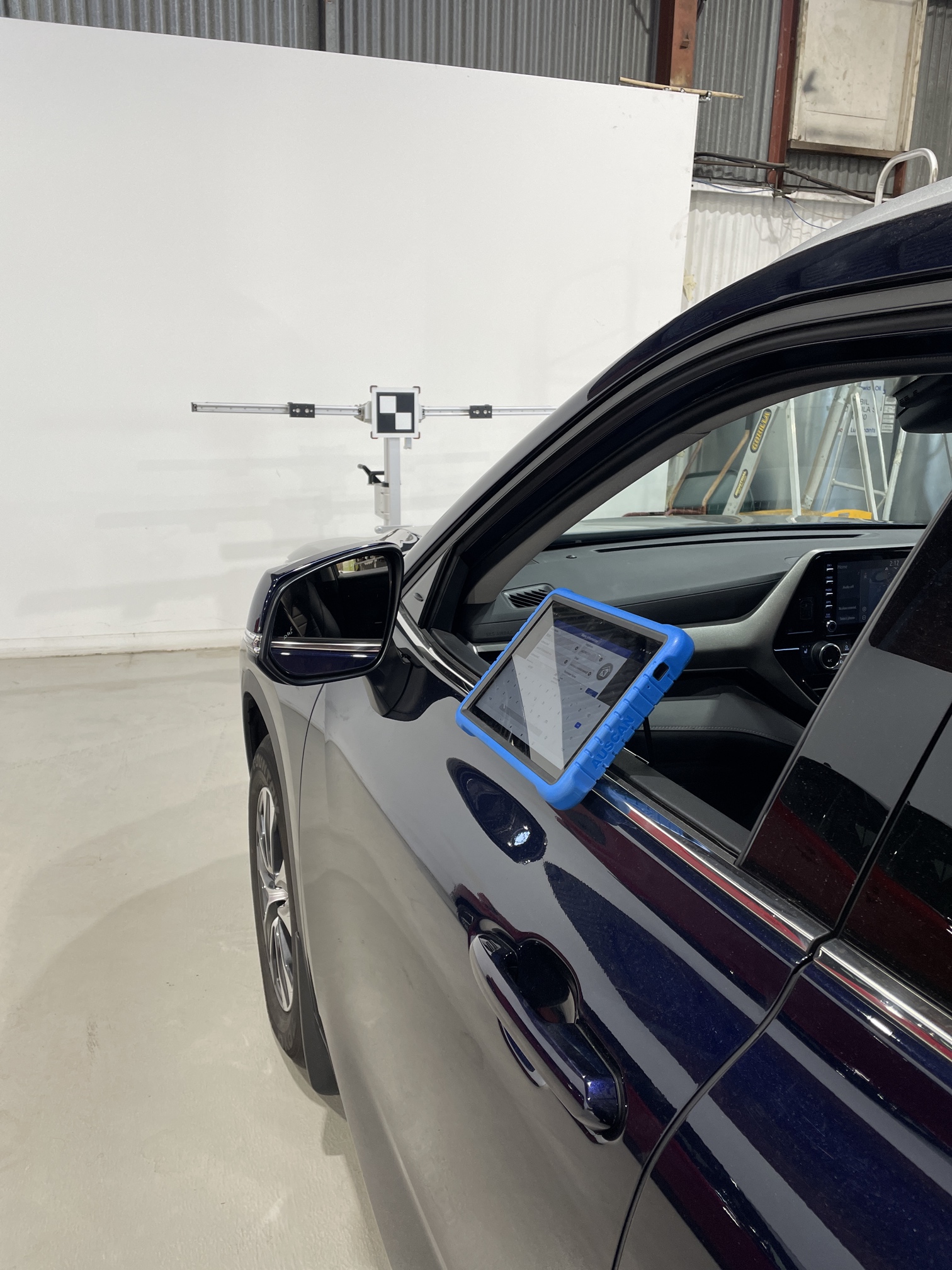
Modern vehicles are now equipped with ADAS (Advanced Driver Assistance Systems). Your ADAS system works using cameras and sensors that are mounted between your rearview mirror and your windscreen. These act as your car’s eyes on the road, monitoring traffic and other important aspects depending on the make of car you drive. When your windscreen is replaced, this system is disturbed, requiring an ADAS car windscreen recalibration before you get back on the road.
What is ADAS?
ADAS is a group of safety technologies designed to reduce human error and prevent accidents from occurring. Examples of this include:
- Autonomous Emergency Braking – This automatically applies the brakes if a collision is about to occur
- Lane Departure Warning & Lane Keep Assist – This system keeps an eye on the lane marking, alerting you if you are drifting over lines, or helping to keep your vehicle in between the lines.
- Adaptive Cruise Control – This helps your vehicle keep a safe distance between you and the car in front of you, slowing down when required to keep a distance.
- Traffic Sign Recognition – This is the system that allows your car to read the speed signs in real time.
Why Recalibration of ADAS is Required
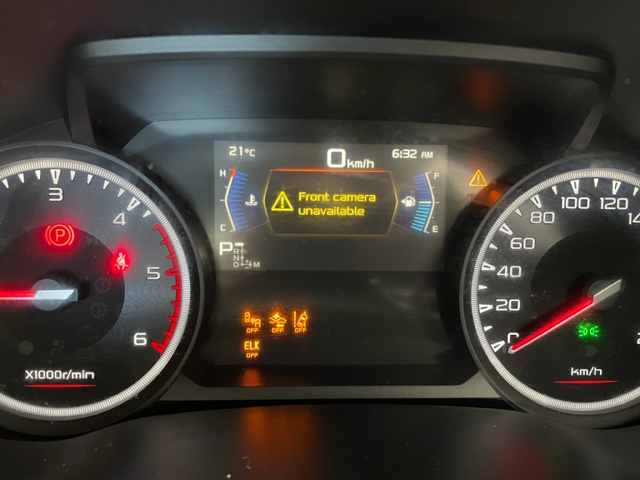
You may be asking, if the windscreen and camera are installed in the same spot, why does the ADAS need to be recalibrated? The reason is that the cameras are looking at and analysing objects that are hundreds of meters down the road. If the camera or windscreen perspective is even a millimetre out of position, the misalignment could result in the system being off target. For example, if the camera is slightly tilted out of position, your car might think you are in the centre of the lane when in reality you could be closer to the shoulder, or it may fail to detect a vehicle braking in front of you until it is too late.
Without professional camera calibration, your car’s safety features may:
- Fail to activate in an emergency situation
- Activate unnecessarily, possibly causing accidents
- Provide incorrect inputs to your car’s brakes, accelerator or steering inputs.
How we Calibrate your Vehicle
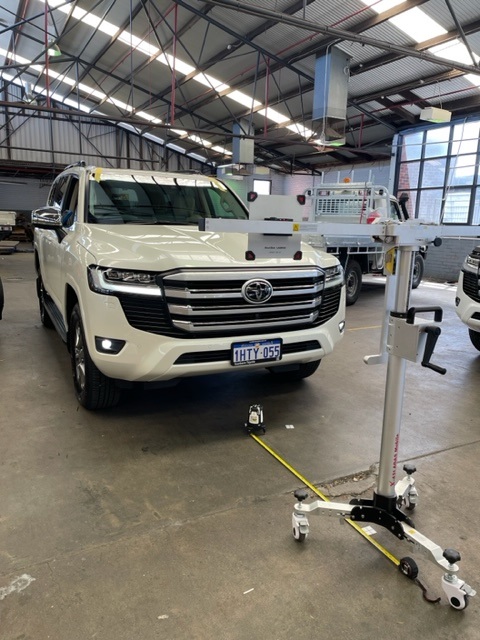
At Joondalup Windscreens, we ensure that after a windscreen replacement, your vehicle’s ADAS system is returned to manufacturer specification, utilising our well-calibrated ADAS camera radar system. This system uses laser-aligned targets and boards to reset the camera’s baseline. This process typically takes about an hour, with more problematic recalibrations possibly taking a few hours.
How Do I Know If My Vehicle Needs ADAS Calibration?
ADAS technology is standard on most vehicles built for the Australian market from 2016 onwards. We can perform precision camera calibration on any make or model equipped with these systems to ensure your safety tech remains accurate, including popular makes such as Toyota, Mitsubishi, Ford, Nissan, and newer cars, as well as models from BYD and MG, among others. Feel free to contact us to check if we can recalibrate your make and model of car.
Is ADAS Calibration Covered Through Insurance?
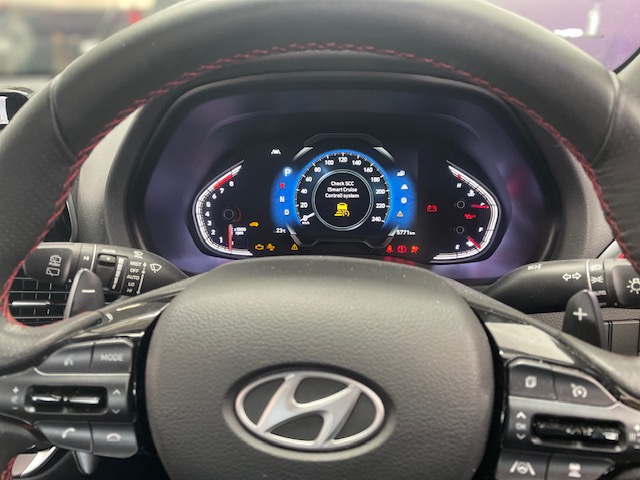
As ADAS calibration is required as part of the safety procedure following a windscreen replacement, it is usually covered as part of most comprehensive insurance policies. As mentioned above, any vehicle produced from 2016 onwards more than likely requires ADAS calibration.
If your car windscreen needs replacing, contact the experts at Joondalup Windscreens today to ensure both your glass and your safety features are restored to original condition.
Recent Comments